

Bootleg shoes
Bootleg shoes,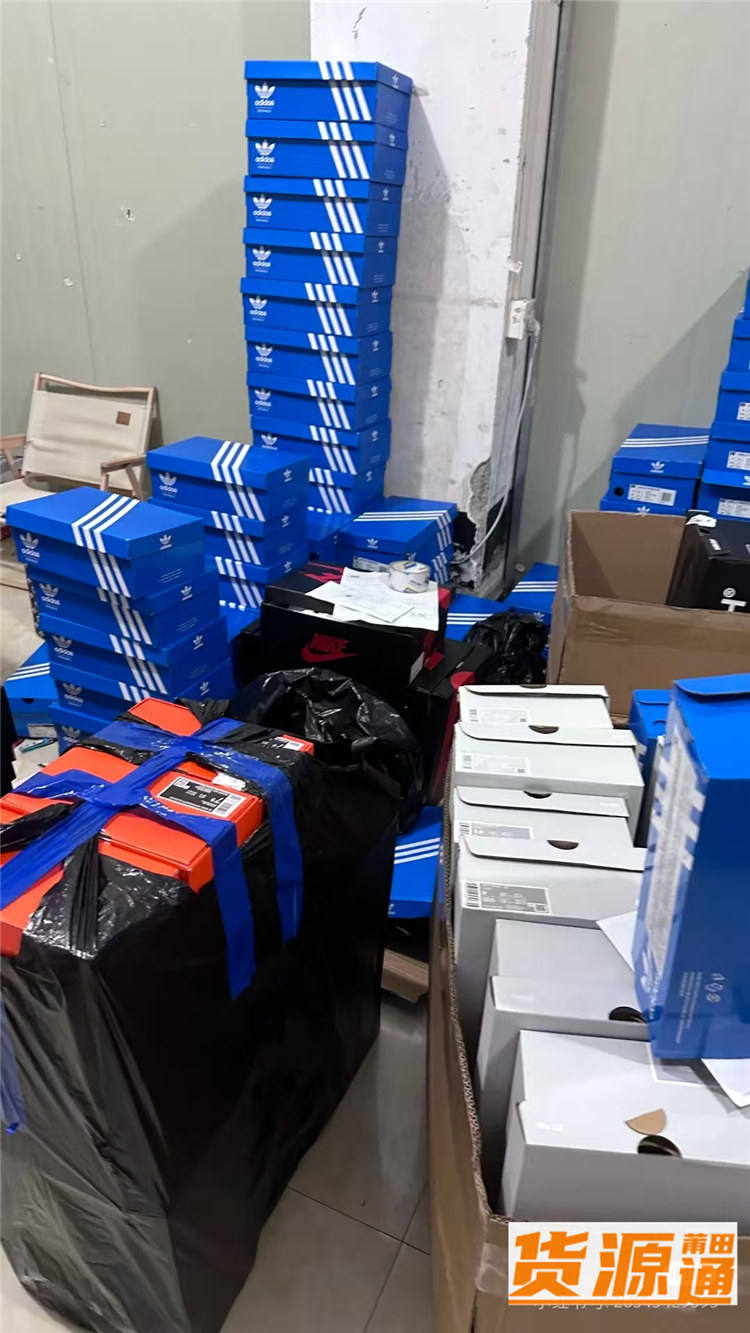
**Is It Okay to Make High-Quality Fake Shoes in Putian?**
Introduction
Putian, a region in China known for its shoe manufacturing industry, has a long history of producing high-quality yet affordable footwear. With the rise of global demand for designer brands and premium footwear, the practice of making "precision copies" or "imitation products" has become prevalent in Putian. These imitations are often meticulously crafted to closely resemble the original designs, leading to a widespread debate: Is it acceptable to produce high-quality fake shoes in Putian?
The Argument for Quality Imitations
There are several factors that could justify the production of high-quality fake shoes in Putian. Firstly, the culture of imitation is not unique to Putian; it exists in various industries worldwide. In a region where resources and budgets are limited, producing affordable yet well-crafted alternatives allows more people to access quality footwear. Secondly, the rise of these imitations often leads to innovations in design and technology as manufacturers strive to replicate complex designs and materials.
Moreover, the existence of high-quality fakes does not necessarily mean the downfall of original brands. In fact, it could create a competitive environment where original brands are encouraged to further improve their quality and designs to stay ahead in the market. The practice could also provide opportunities for local manufacturers to learn new techniques and improve their craftsmanship.
The Counter Argument Against Fake Shoes
However, there are also compelling reasons why producing high-quality fake shoes might not be acceptable. The practice often involves the infringement of intellectual property rights and could hurt the reputation of original brands and designers who put significant effort into creating unique designs and concepts.
Moreover, the rise of imitations might discourage original creativity and innovation in the long run. If consumers are satisfied with imitations, there could be less incentive for brands to invest in research and development or improve their designs. Additionally, there are ethical concerns about the conditions under which some of these fakes are manufactured and the potential exploitation of workers.
Conclusion
The debate on whether it is acceptable to produce high-quality fake shoes in Putian is a complex one. It involves issues of cultural context, affordability, innovation, intellectual property rights, and ethical considerations. While there might be valid reasons for the existence of these imitations, it is important to strike a balance between respecting original creativity and designs while also considering accessibility and affordability.
Ultimately, the answer lies in a comprehensive understanding of the issues at play and a commitment to fostering a sustainable and ethical footwear industry that respects intellectual property rights and encourages innovation.
- Counterfeit sneakersIs It Embarrassing to Be Found Wearing Putian Shoes?
- Retro sneakers
- Replica hype shoesTitle for the Blog post on Reasons for Discrediting Putian Shoes in English: "Why Putian Shoes Carry a Negative Stigma?"
- Retro shoesPumian Shoe Lightning Reverse Hook Images in High Resolution.
- Knockoff shoes
- Bootleg shoesHow to Verify if Shoes from Putian are Authentic?
- Fake BalenciagaBest Nike Shoes Made in Putian: A Look into the Best of the Craftsmanship.
- Fake BalenciagaHow to Return Fake YSL Shoes Purchased on Taobao from Putian?
