

Bootleg shoes
Bootleg shoes,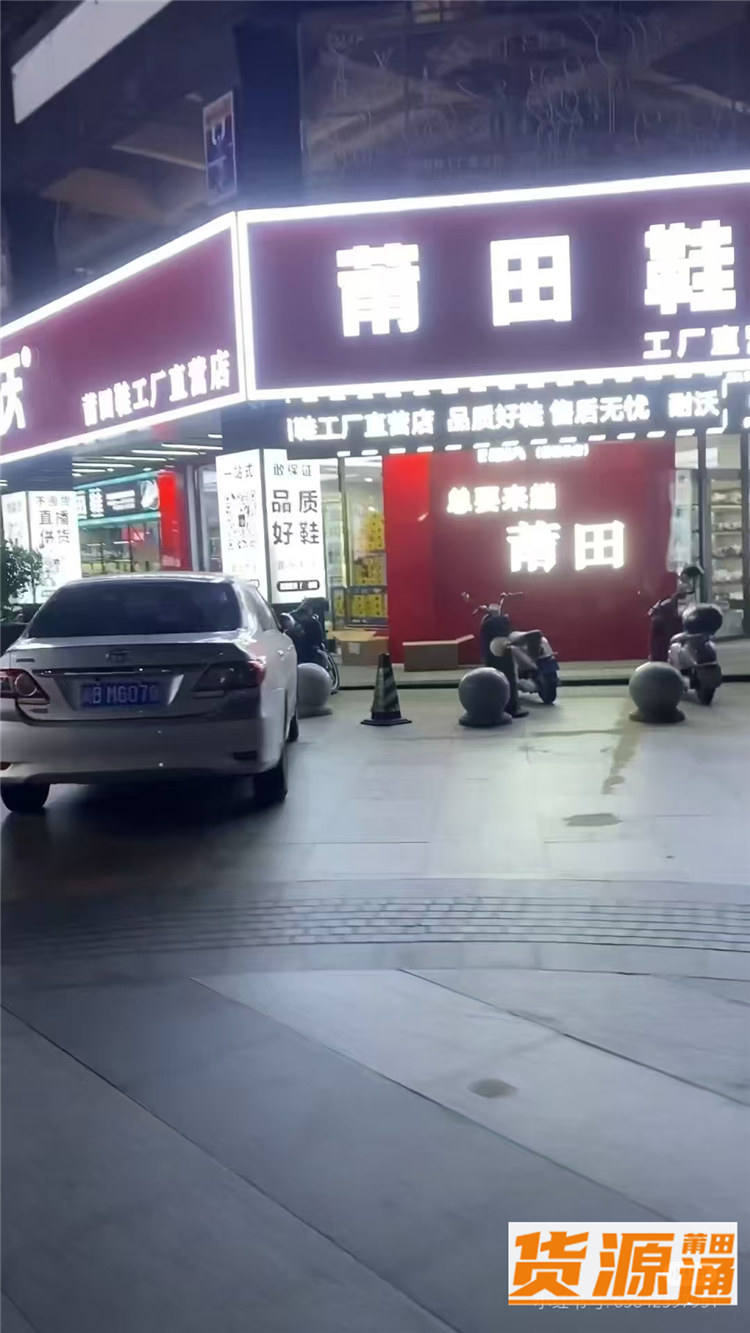
Xinjiang Cotton Event and Putian Shoes: A Parallel Examination
Recently, the world has witnessed a significant uproar over the Xinjiang cotton event, which has been a focal point of controversy and discussion. Simultaneously, the connection between this event and Putian shoes, a renowned footwear brand in China, has gained attention. This article aims to explore the interplay between these two topics and the impact they have on consumers and businesses.
Xinjiang Cotton Event
The Xinjiang cotton event has stirred global debate due to its perceived impact on labor conditions and human rights. Reports suggest that the region produces a significant amount of the world's cotton, which is often associated with efficient production methods and cost-effective pricing. However, concerns have been raised about the conditions under which cotton farmers work, including alleged forced labor practices. These concerns have led to international scrutiny and even sanctions against entities linked to Xinjiang cotton production.
Meanwhile, the connection between Xinjiang cotton and Putian shoes becomes apparent when considering the supply chain dynamics. Many Chinese manufacturing companies, including footwear brands, rely on local suppliers for raw materials such as cotton. Putian shoes are known for their quality and affordability, which are often achieved through efficient supply chains that include locally sourced materials like Xinjiang cotton. However, the recent controversies have cast a shadow over these supply chains, leading to questions about the ethical sourcing of materials.
Impact on Putian Shoes
The Xinjiang cotton event has presented a challenge for Putian Shoes, just as it has for many other Chinese companies. The brand faces scrutiny from international consumers who may be concerned about the ethical implications of purchasing products made with locally sourced materials. This scrutiny can translate into decreased sales and reputation damage for the brand, especially in markets where human rights issues are highly sensitive.
However, Putian Shoes, along with other Chinese companies, is responding to these challenges. Many are reassessing their supply chains and engaging in transparency efforts to ensure their products are sourced ethically. Additionally, these companies are focusing on other suppliers or alternative materials to mitigate any potential risks associated with Xinjiang cotton. This approach not only addresses consumer concerns but also helps maintain the integrity of the brand and its commitment to sustainable business practices.
Conclusion
The Xinjiang cotton event has presented significant challenges for Putian Shoes and other Chinese companies that rely on local materials. However, these companies are adapting and evolving to address consumer concerns and maintain their commitment to sustainable business practices. The future of these brands depends on their ability to strike a balance between cost-efficiency and ethical sustainability, ensuring that their products remain relevant and appealing to global consumers. Such an approach would pave the way for long-term success and maintain trust with consumers worldwide.
- Counterfeit sneakersIs It Embarrassing to Be Found Wearing Putian Shoes?
- Retro sneakers
- Replica hype shoesTitle for the Blog post on Reasons for Discrediting Putian Shoes in English: "Why Putian Shoes Carry a Negative Stigma?"
- Retro shoesPumian Shoe Lightning Reverse Hook Images in High Resolution.
- Knockoff shoes
- Bootleg shoesHow to Verify if Shoes from Putian are Authentic?
- Fake BalenciagaBest Nike Shoes Made in Putian: A Look into the Best of the Craftsmanship.
- Fake BalenciagaHow to Return Fake YSL Shoes Purchased on Taobao from Putian?
