

Fake designer shoes
Fake designer shoes,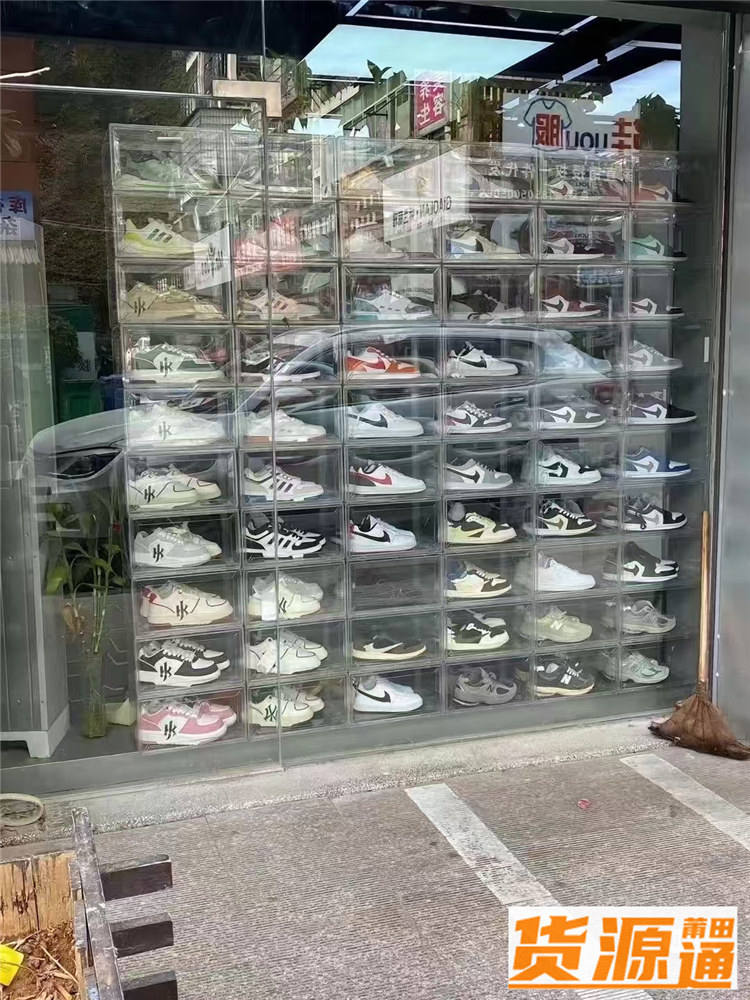
The Shoe Label Story in Putian
Putian, a city in Fujian province, China, is renowned for its shoe manufacturing industry. This region has a long history of crafting high-quality footwear, producing everything from traditional to contemporary designs. However, an interesting phenomenon is observed in Putian: the absence of shoe labels. This article explores the reasons behind this unique practice.
Local Cultural Norms and the Value of Quality
In Putian, the culture of craftsmanship is deeply ingrained in the local community. Shoes made here are known for their durability and quality, often passed down through generations. This emphasis on quality often means that labels are not seen as necessary for the product's identification or recognition.
Furthermore, the local cultural norms encourage trust within the community rather than relying on external labels or branding. Many shoe factories in Putian are family-run businesses with longstanding relationships within the region and beyond. Their reputation for quality is often built over years of satisfied customers and word-of-mouth recommendations.
Economic Reasons and Cost Efficiency
The cost of production in Putian is an important factor that contributes to the decision of not including labels on shoes. The competitive nature of the footwear industry in this region means that manufacturers are always looking for ways to cut costs without compromising on quality.
Adding labels to shoes would involve extra costs such as purchasing label material, printing, and affixing them to each shoe. In an industry where profit margins are often slim, these costs can add up significantly. As such, manufacturers in Putian often choose to omit labels as a cost-saving measure.
Brand Identity and Unbranded Products
In many cases, the absence of labels on shoes from Putian is also a strategic decision related to brand identity. While some manufacturers prefer to showcase their branding on their products, many others prefer to remain unbranded.
This approach allows them to remain flexible and adaptable to different markets and customer preferences. By not including labels, they can offer their products at various price points, catering to different consumer segments. Additionally, unbranded products often offer better value for money, attracting customers who are looking for good quality without the premium pricing associated with branded footwear.
Conclusion
The absence of shoe labels in Putian reflects a unique blend of cultural norms, economic considerations, and strategic business decisions. The focus on quality and trust within the community, along with cost-efficiency and brand flexibility, have resulted in this distinct approach to shoe manufacturing in the region.
While some manufacturers may choose to include labels in the future as consumer preferences evolve, the culture of quality and trust built over generations in Putian will continue to be at the core of the region's footwear industry.
- Counterfeit sneakersIs It Embarrassing to Be Found Wearing Putian Shoes?
- Retro sneakers
- Replica hype shoesTitle for the Blog post on Reasons for Discrediting Putian Shoes in English: "Why Putian Shoes Carry a Negative Stigma?"
- Retro shoesPumian Shoe Lightning Reverse Hook Images in High Resolution.
- Knockoff shoes
- Bootleg shoesHow to Verify if Shoes from Putian are Authentic?
- Fake BalenciagaBest Nike Shoes Made in Putian: A Look into the Best of the Craftsmanship.
- Fake BalenciagaHow to Return Fake YSL Shoes Purchased on Taobao from Putian?
